Urenco Isotopes

About Urenco Isotopes

Urenco Isotopes develops and supplies enriched and depleted stable isotopes and custom isotope materials for use across medical, industrial and research applications.

With over 35 years of experience, and operating from our facility in Almelo, the Netherlands, we apply Urenco’s proven centrifuge technology to deliver high-purity isotopes with a strong focus on safety, quality and reliability.

For more detailed information on our products and applications, visit the Urenco Isotopes website.

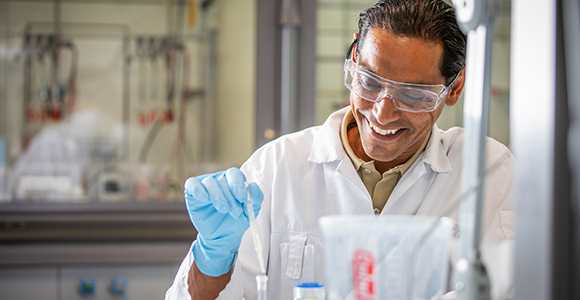
What is an Isotope?

Isotopes are variants of chemical elements with the same number of protons but different numbers of neutrons, resulting in different masses. This gives isotopes distinct physical properties which make them suitable for use across a wide range of applications, from medical diagnostics and treatment to industrial processes and advanced research.

How do we enrich and deplete isotopes?

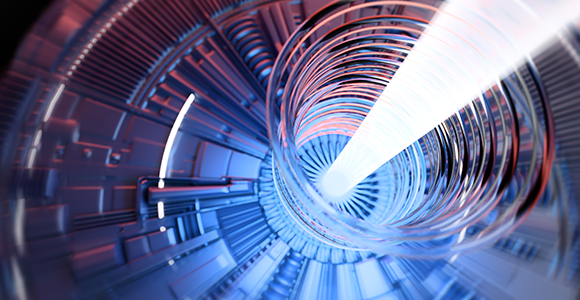
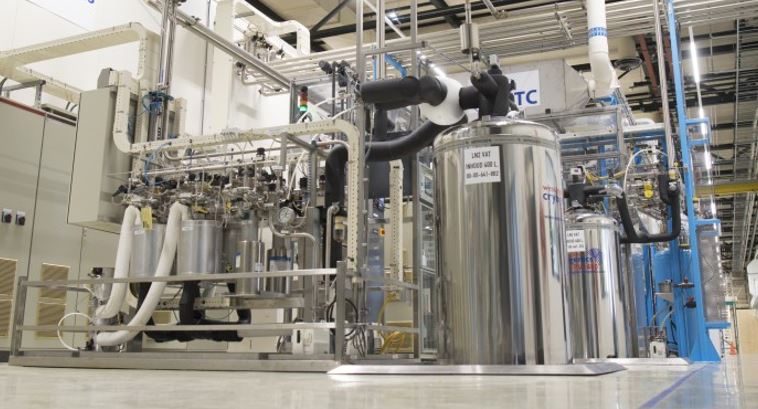
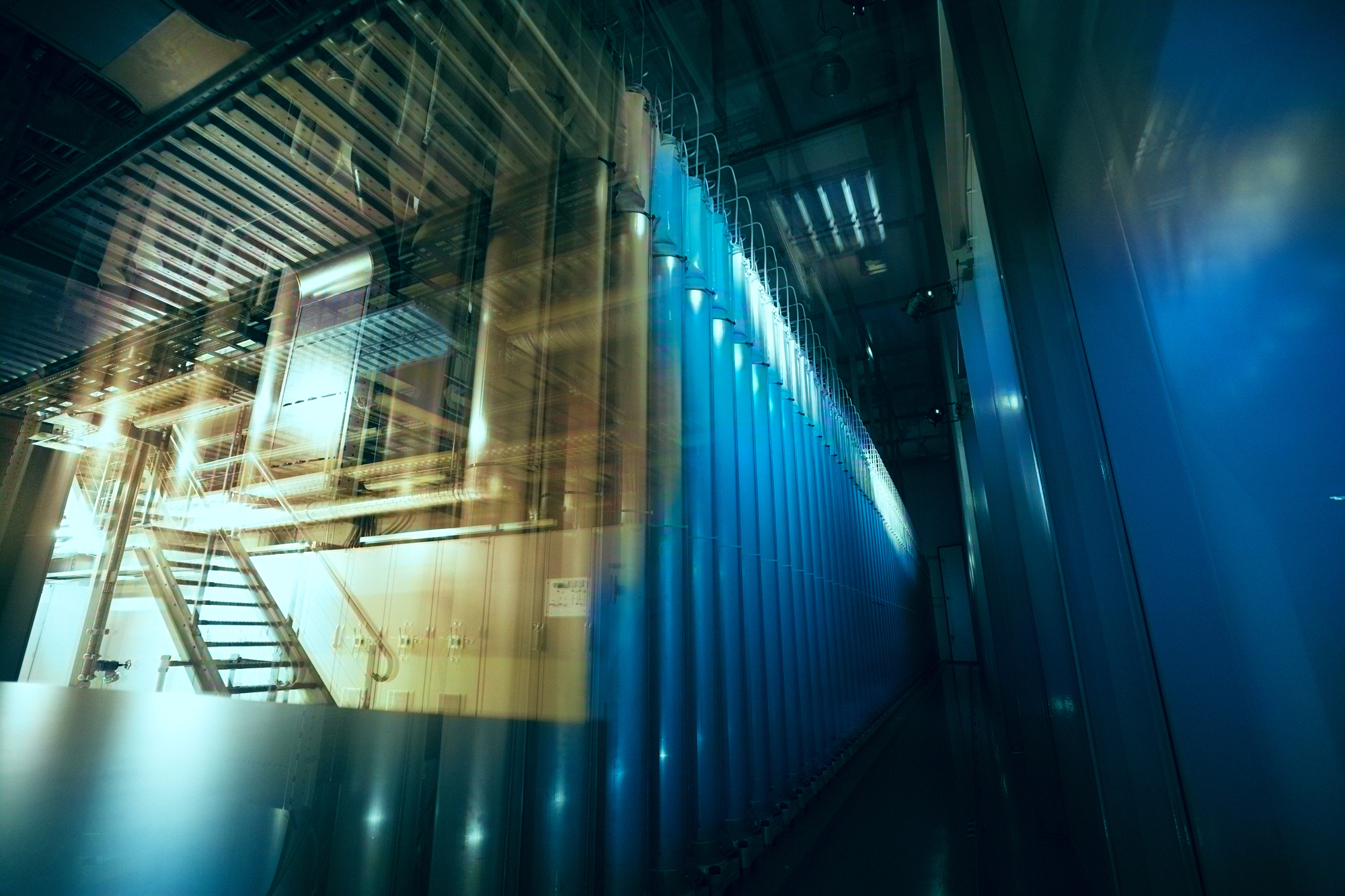
Urenco applies advanced gas centrifuge technology to achieve precise isotope separation at high levels of enrichment or depletion.

The starting material is converted into a gas and introduced into centrifuges, which rotate at extremely high speeds. This spinning motion separates isotopes based on mass, with heavier isotopes moving towards the outer edge and lighter isotopes concentrating towards the centre. The separated materials are continuously extracted and processed until the required level of enrichment or depletion is achieved.

This process, known as isotope enrichment or isotope depletion, enables the production of high-purity isotopes tailored to specific applications.
Applications of Urenco Isotopes

Medical

Our isotopes are used in a range of medical applications worldwide, supporting both diagnostic and therapeutic procedures. Around 2 million treatments are caried out using Urenco isotopes each year.
Enrichment Tile Image

Diagnostic imaging

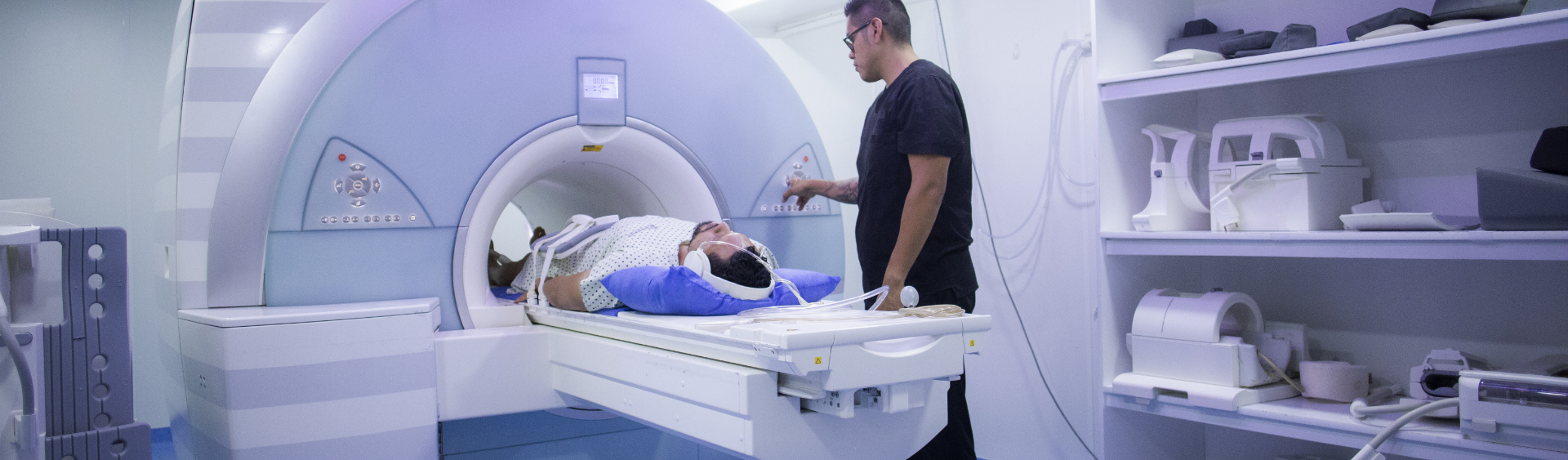
Diagnostic imaging Isotopes support nuclear imaging techniques such as gamma imaging and positron emission tomography (PET), enabling the assessment of organ function and the detection of disease.

Enrichment Tile Image

Theraputic Applications

Radioisotopes are used in targeted treatments, including brachytherapy, where radiation is applied directly at the site of disease.
Enrichment Tile Image

Cancer care

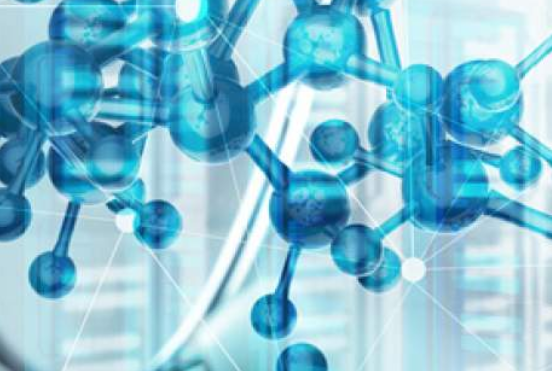
Isotopes are also used in treatments and supportive care for conditions such as prostate, breast and lung cancer.

Medical

We produce isotopes that can be used across many medical applications. Today we supply isotopes that support two million patient treatments every year.

Diagnostics

Nuclear diagnostic imaging techniques enable doctors around the world to identify diseases at an early stage, track disease progression, allow for accurate disease staging and provide predictive information about the likely success of alternative therapy options.

One of the important diagnostic techniques is gamma imaging. Nuclear medicine departments worldwide use gamma cameras to detect diseases of various organs including the heart, brain, bone, lung and thyroid. Positron emission tomography, an imaging test that can help reveal the metabolic or biochemical function of tissue and organs also requires the supply of isotopes.

Therapy

Radioisotopes are also used extensively for therapeutic purposes. Brachytherapy is the procedure of using temporary irradiation very close to the area of disease, in particular for cancer and stenosis. Another example of brachytherapy is the use of radioactive sources ('seeds') in tumours, particularly in prostate cancer. A significant percentage of patients diagnosed with this disease are treated with these radioactive seeds.

Pain relief

Palliative care of pain arising from the spread of breast, prostate and lung cancers is under development. A number of radioisotopes are already being used on a regular basis, while the potential of other isotopes is being investigated.

Industry

Urenco Stable Isotopes is continuously developing products for industrial use within the nuclear, non-destructive testing and semiconductor industries.

Nuclear industry

The addition of zinc reduces the buildup of radiation in the cooling systems of nuclear reacotrs, therefore reducing the dosage rates that maintenance personelle experience. Zinc also greatly reduces corrosion processes in the construction materials of the reactor, including stress corrosion cracking.

One of the important diagnostic techniques is gamma imaging. Nuclear medicine departments worldwide use gamma cameras to detect diseases of various organs including the heart, brain, bone, lung and thyroid. Positron emission tomography, an imaging test that can help reveal the metabolic or biochemical function of tissue and organs also requires the supply of isotopes.

Non-destructive testing

Non-destructive testing uses isotopes to examine materials without damaging them. This technique is called radiography and can reveal internal features and imperfections that are difficult to see with the naked eye.

Semiconductor production

Silicon is known for its widespread use in the semiconductor industry. In the race to build quantum computers—machines that should offer immense processing power by exploiting quantum mechanics – silicon isotopes are used in various R&D projects.

Research

Our stable isotopes are used for several research applications, including food absorption studies, material research and nuclear physics.

Food uptake studies

A significant amount of research is done into the diet of children living in poor and underdeveloped areas. These children's diet often lacks the right amounts of essential elements such as zinc, iron, calcium and magnesium. Studies are performed to verify if and how these essential elements are absorbed by the body and where they can be found inside the body. These food uptake studies regularly use our zinc isotopes.

Material research

Materials used in nuclear environments are subjected to harsh conditions which decrease their lifetime. By changing the composition of isotopes in the materials, the lifetime of the materials can be increased, thereby reducing radioactive waste.

Nuclear physics

Stable isotopes are used extensively in nuclear physics research, such as for the creation of super-heavy elements and the use of enriched stable isotopes for neutrino research. Enriched isotopes that we produce are often incorporated into detectors which are used for investigating the characteristics of neutrinos.